1/48-scale M113 Zelda Chata’p: When every detail counts
How do you preserve a product’s identity at 1/48 scale?
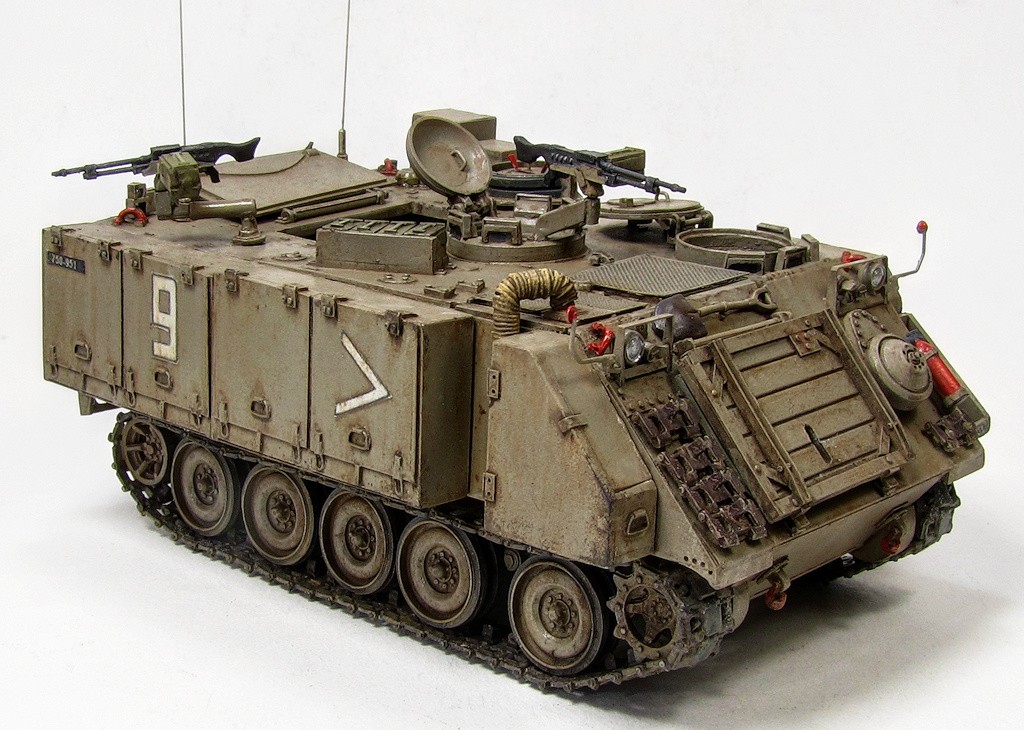
At first glance, a model must faithfully reproduce a vehicle’s lines and proportions, but when you look closer, it must represent your product—not just resemble it.
Promodels pays special attention to all the small details that give a vehicle its identity: armor, grilles, hatches, lights, weapons, mounts, antennas, wheels, tracks, onboard equipment, and markings.
To illustrate this requirement in concrete terms, let’s take the example of our 1/48-scale M113 Zelda Chata’p.
This Gaso.line model demonstrates how the choice of materials, manufacturing techniques, and attention to every detail contribute to faithfully recreating a vehicle’s identity, even when scaled down 48 times.
Reducing complexity without simplifying it
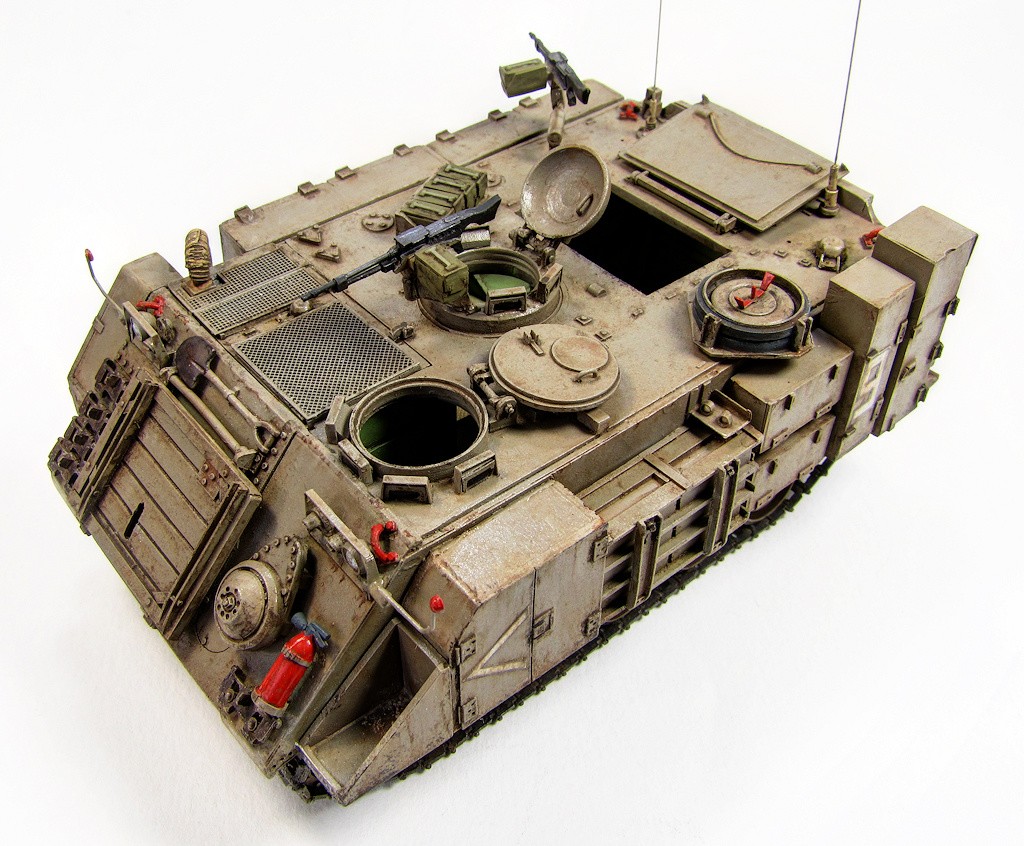
As the scale decreases, some parts become extremely thin. Others must be slightly modified to maintain their visual clarity, strength, or realism once the model is assembled.
This is precisely where the modeler’s experience comes into play.
One must know how to determine what needs to be reproduced, how to reproduce it, and with what technology or material.
The goal, therefore, is not to systematically simplify elements that become small.
Rather, it is to preserve everything that contributes visually and technically to the vehicle’s identity.
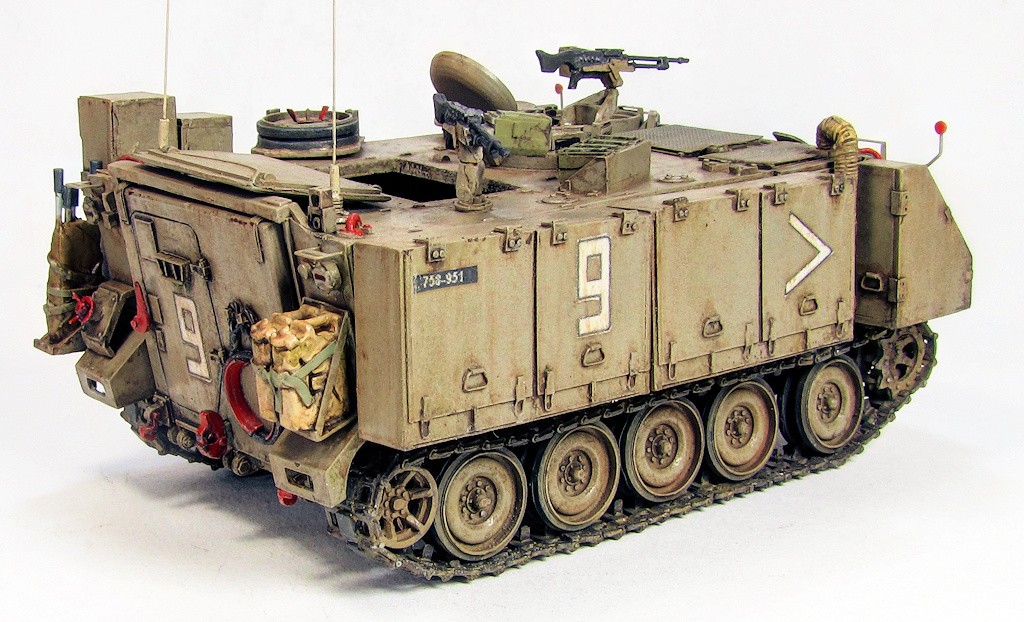
48 times smaller, without losing what makes it unique
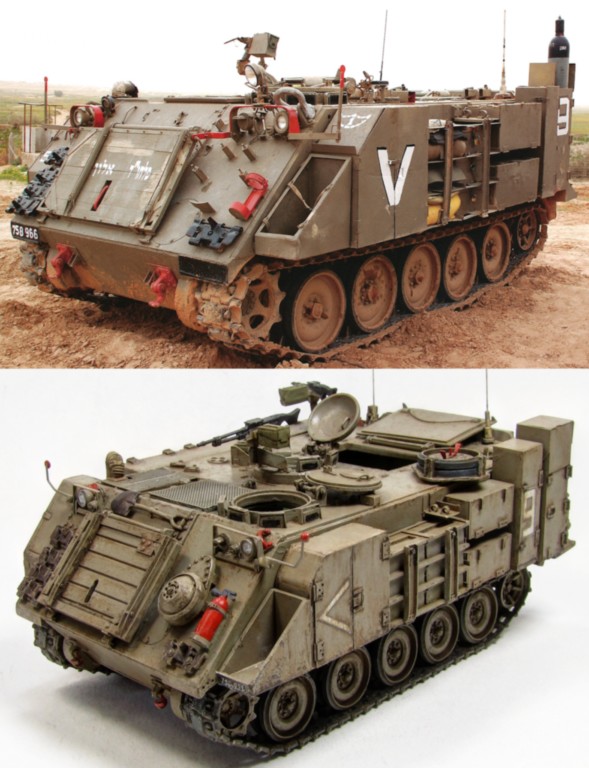
From the real vehicle to its 1/48 scale model: preserving the elements that define its identity.
Comparing the real vehicle with its model makes the challenge immediately clear.
A generally accurate shape is not enough.
The position of a hatch, the finesse of a grille, equipment mounted on the body, a bracket, an antenna, or even a distinctive marking all contribute to the vehicle’s immediate recognition.
To a layperson, these differences may seem minor.
To someone familiar with the vehicle, they are not.
That is why we place as much importance on the details as we do on the main forms.
The Right Material for the Right Detail
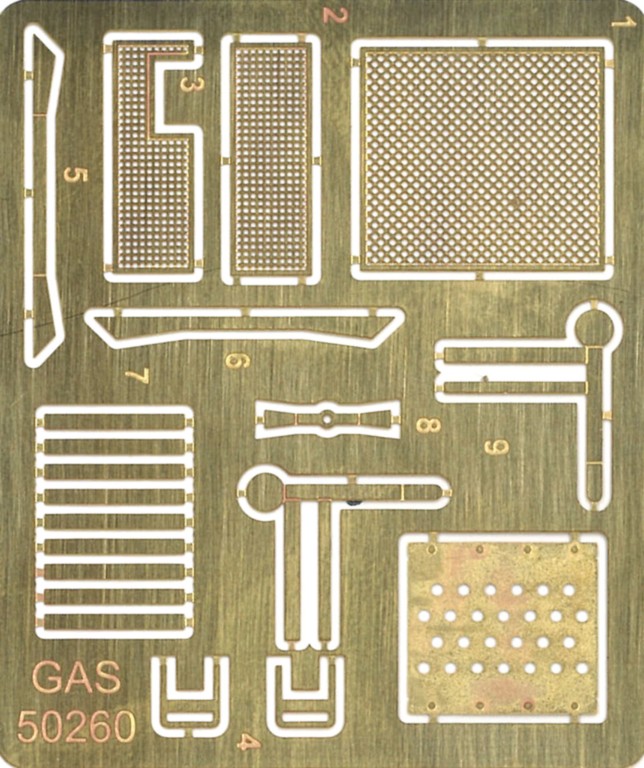
Photo-etching makes it possible, in particular, to reproduce certain very fine details.
At this scale, a single material cannot adequately meet all the requirements.
A body panel, a ventilation grille, an antenna, a window, a very delicate mechanical part, or a marking do not all require the same level of precision, the same strength, or the same manufacturing process.
That is why we favor a multi-material and multi-technique approach.
Each technology is used where it truly adds value to the final result.
Technology is a tool, not a one-size-fits-all solution
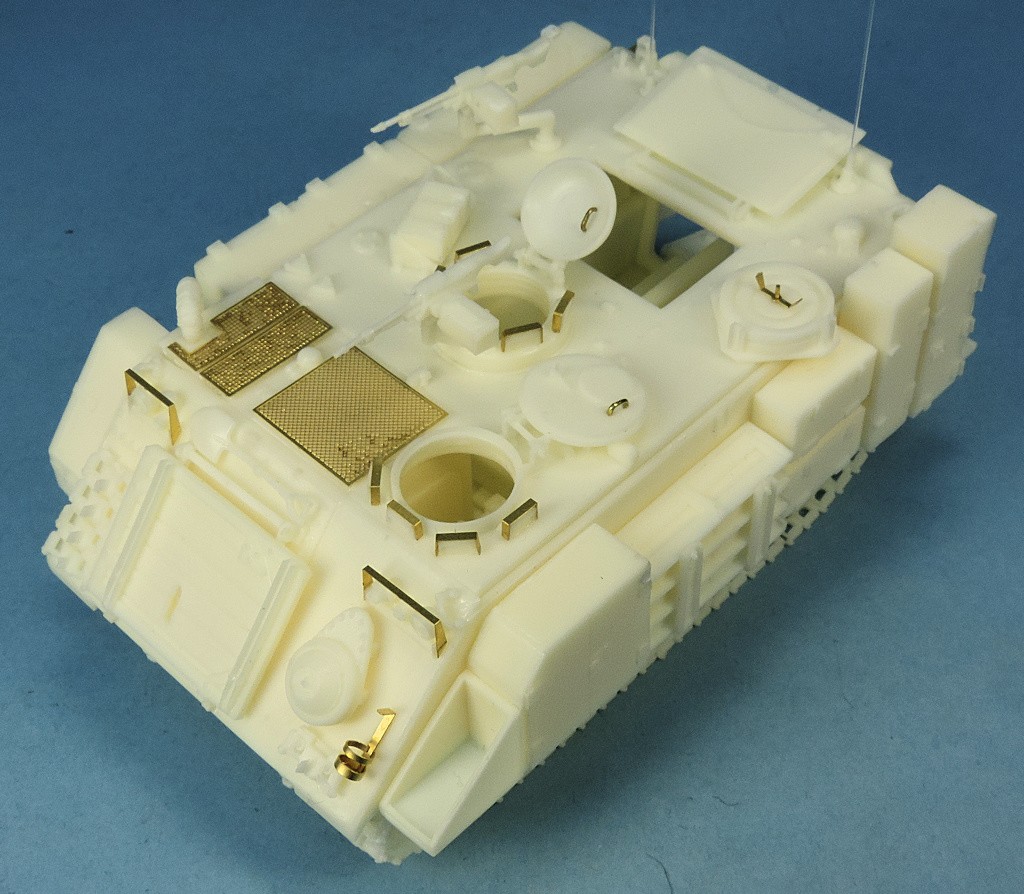
Before painting, the various components allow for a clearer appreciation of the work done on the forms and details.
The quality of a model does not depend on a single technology.
With over 30 years of expertise, we are now able to combine traditional methods with modern technologies to select the solution best suited to each element.
The main forms can thus be crafted from a material perfectly suited to their geometry, while the most delicate parts benefit from specialized processes.
Resin, metal, photo-etched parts, 3D printing, high-definition decals, transparent components, and specialized tires: each material and technique is selected according to the desired result.
Technology is therefore not an end in itself.
It remains a tool in the service of the model’s precision, finesse, durability, and realism.
Attention to detail must be considered from the design phase onward
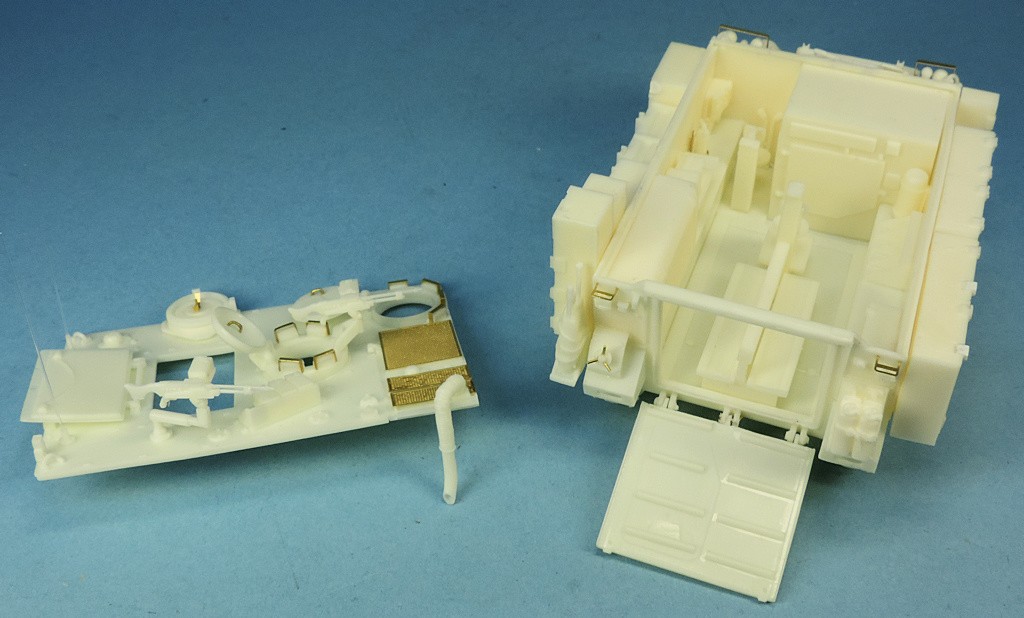
Our know-how
Attention to detail is not a step that is added at the end of the project.
It must be incorporated right from the design phase of the model.
For example, an extremely delicate component may require a different technology than that used for the main body. A part that is handled regularly may need to be more durable. A distinctive marking or feature must remain perfectly identifiable despite the reduction in scale.
The question, therefore, is not simply:
“Can we reproduce this part?”
But rather:
“What is the best way to reproduce it at this scale?”
It is this careful consideration early on that ensures a model that is coherent as a whole while preserving the intricate details of its various components.
Your model should represent your product, not just look like it
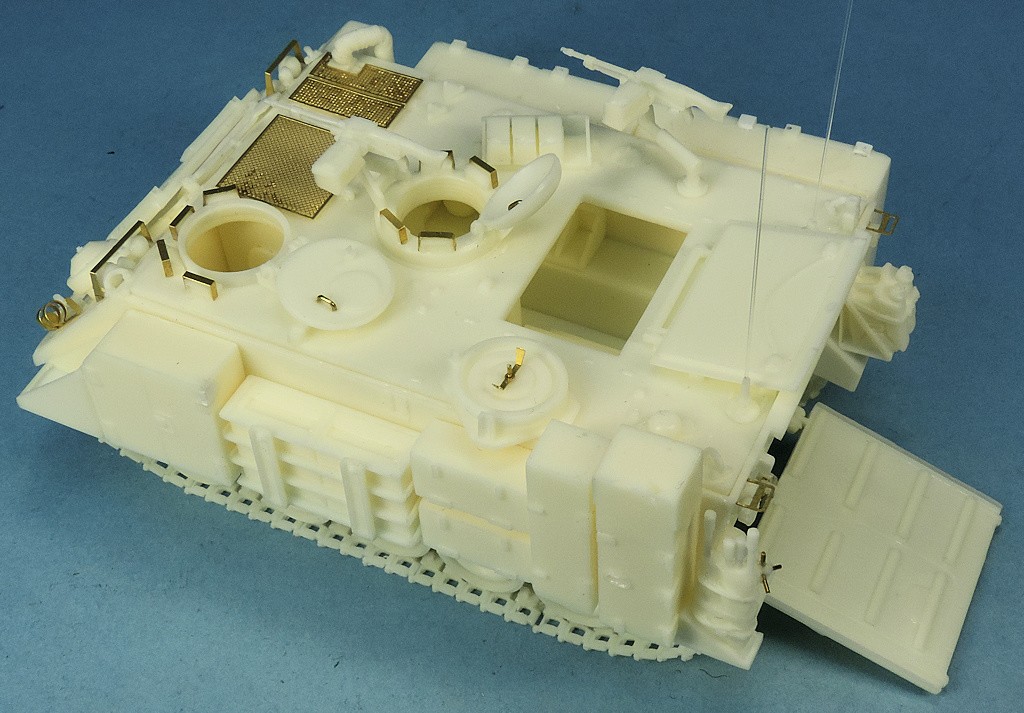
This requirement becomes even more important when a model is created for a manufacturer.
When a manufacturer unveils a new vehicle, weapons system, radar, drone, or piece of equipment at a trade show or sales presentation, the model becomes a direct representation of its product.
The experts viewing it are often thoroughly familiar with the equipment on display.
An incorrect proportion, a missing piece of equipment, a misinterpreted distinctive detail, or excessive simplification can therefore be noticed immediately.
A model bearing a company’s name and colors must live up to the product it represents.
Your model must represent your product—not merely resemble it.
This is the standard we apply from the very beginning of a model’s design.
The 1/48-Scale M113 Zelda Chata’p
Model: Gaso.line
Scale: 1/48
Assembly and painting: Eric A.
From Collectible Models to Professional Models
The example of this M113 illustrates expertise that can be applied to numerous professional projects.
Promodels supports manufacturers in the research, design, and production of custom professional models, ranging from one-off pieces to small and medium-sized production runs.
Using 3D files, blueprints, photographs, or technical documents, we can assess the reproduction of your equipment and determine the solutions best suited to its scale, level of detail, and intended use.
Whether it’s a vehicle, equipment, weapons system, radar, drone, or industrial machinery, each project requires a specific approach.
Our goal remains the same:
To preserve the proportions, equipment, and all the details that allow your product to be immediately recognizable.
Do you have a model project?
Whether it’s a one-off piece, a presentation model, or a small- to medium-scale production run, let’s work together to determine the best way to reproduce your product to scale.